

1. Dolphins Sleep Half Awake
Yes, it’s true — dolphins sleep half awake. One side of their brain rests while the other stays alert, allowing them to swim and breathe at the same time.
👉 Scientists call this unihemispheric slow-wave sleep, a survival mechanism seen in dolphins and some birds.
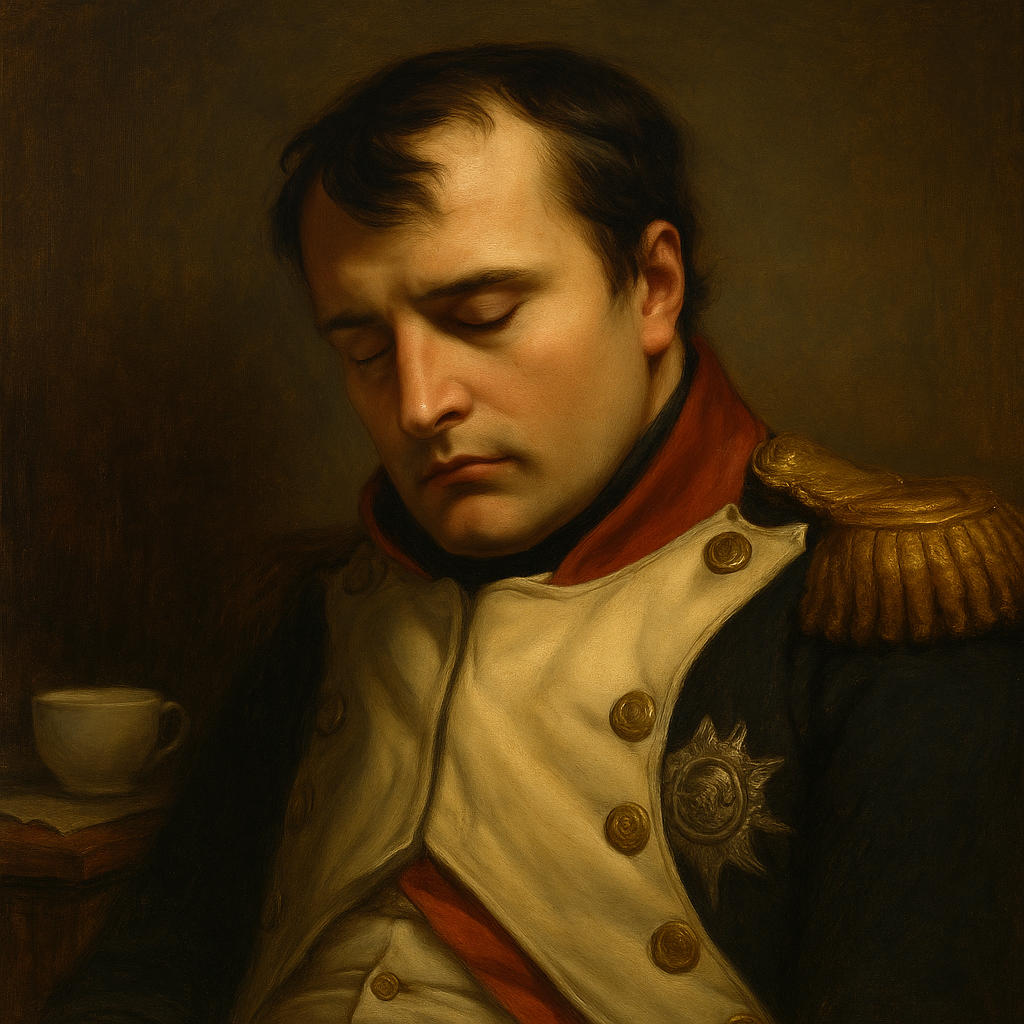
2. Napoleon’s Sleep Habits: Just 4 Hours a Night
Famous leaders like Napoleon and Churchill often bragged about thriving on only 4 hours of sleep. But modern research proves that even they couldn’t escape the effects of sleep deprivation — poor focus, lowered immunity, and higher stress.
👉 Want to know why rest is essential? Discover why sleep is essential for health and productivity.
3. Randy Gardner’s No Sleep Record — 11 Days Awake
In 1964, Randy Gardner stayed awake for 264 hours (11 days), setting the world record for the longest time without sleep. By the end, he was hallucinating and cognitively impaired — proof that sleep is not optional for survival.
👉 Learn more in the Guinness World Records archive about this unusual case.
4. Brain Cleaning During Sleep
During deep sleep, the brain activates the glymphatic system, which flushes out toxins like a nightly cleaning crew. This process is thought to help protect against cognitive decline and neurodegenerative diseases.
👉 The NIH explains how this brain-cleansing mechanism works.
👉 Curious about what happens in every stage of sleep? Read more in What Really Happens While You Sleep.
5. Dreaming in Black and White
Some people report dreaming in black and white, especially those who grew up watching black-and-white television. Studies suggest early visual experiences can shape how we dream — making some dream worlds permanently vintage.
Final Thoughts: Surprising and Fun Facts About Sleep
Sleep is full of strange sleep facts that highlight just how mysterious — and essential — it truly is. From dolphins staying half awake to the brain cleaning itself at night, one thing is clear: the better you sleep, the better your waking life becomes.
👉 If restless nights are holding you back, check out the common enemies of deep sleep and how to overcome them.
👉 For more interesting insights, visit the National Sleep Foundation.
At Super Blog, we’ll keep uncovering the science, habits, and stories that make sleep the most fascinating subject of all.
💤 FAQ: Curious and Strange Sleep Facts
1. Do dolphins really sleep half awake?
Yes. Dolphins experience unihemispheric slow-wave sleep, where one half of the brain rests while the other remains active, allowing them to keep swimming and breathing.
2. Did Napoleon really sleep only 4 hours a night?
Napoleon often bragged about sleeping just 4 hours, but modern science shows that sleep deprivation negatively affects focus, mood, and long-term health — even for great leaders.
3. What happens if you don’t sleep for days?
The record is 11 days without sleep, set by Randy Gardner in 1964. After several days, he experienced hallucinations and severe cognitive decline, proving that sleep is essential for survival.
4. Does the brain clean itself during sleep?
Yes. During deep sleep, the brain activates the glymphatic system, which flushes out toxins and waste — like a nightly cleaning crew. This process supports brain health.
5. Can people really dream in black and white?
Yes. Studies show that people who grew up watching black-and-white television are more likely to dream in black and white, influenced by their early visual experiences.
🌙 Ready for Better Sleep (Without the Weird Side Effects)?
If shallow sleep cycles or restless nights are affecting your days, Super Natural Sleep can help.
Made with natural ingredients, it promotes deep sleep, healthy sleep cycles, and stress relief — so you wake up refreshed and energized.
👉 Discover Super Natural Sleep and make your nights as restorative as your days are productive.